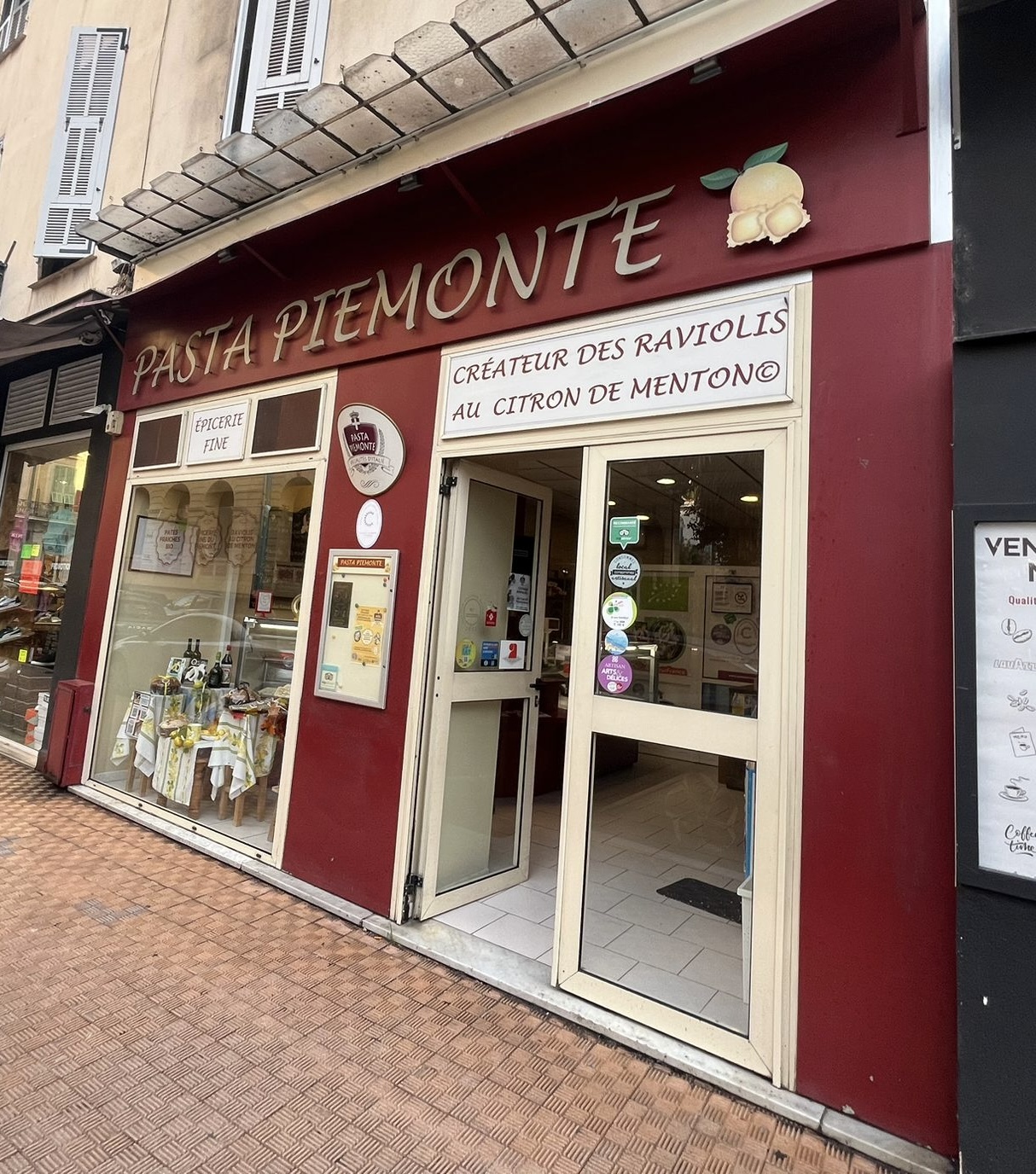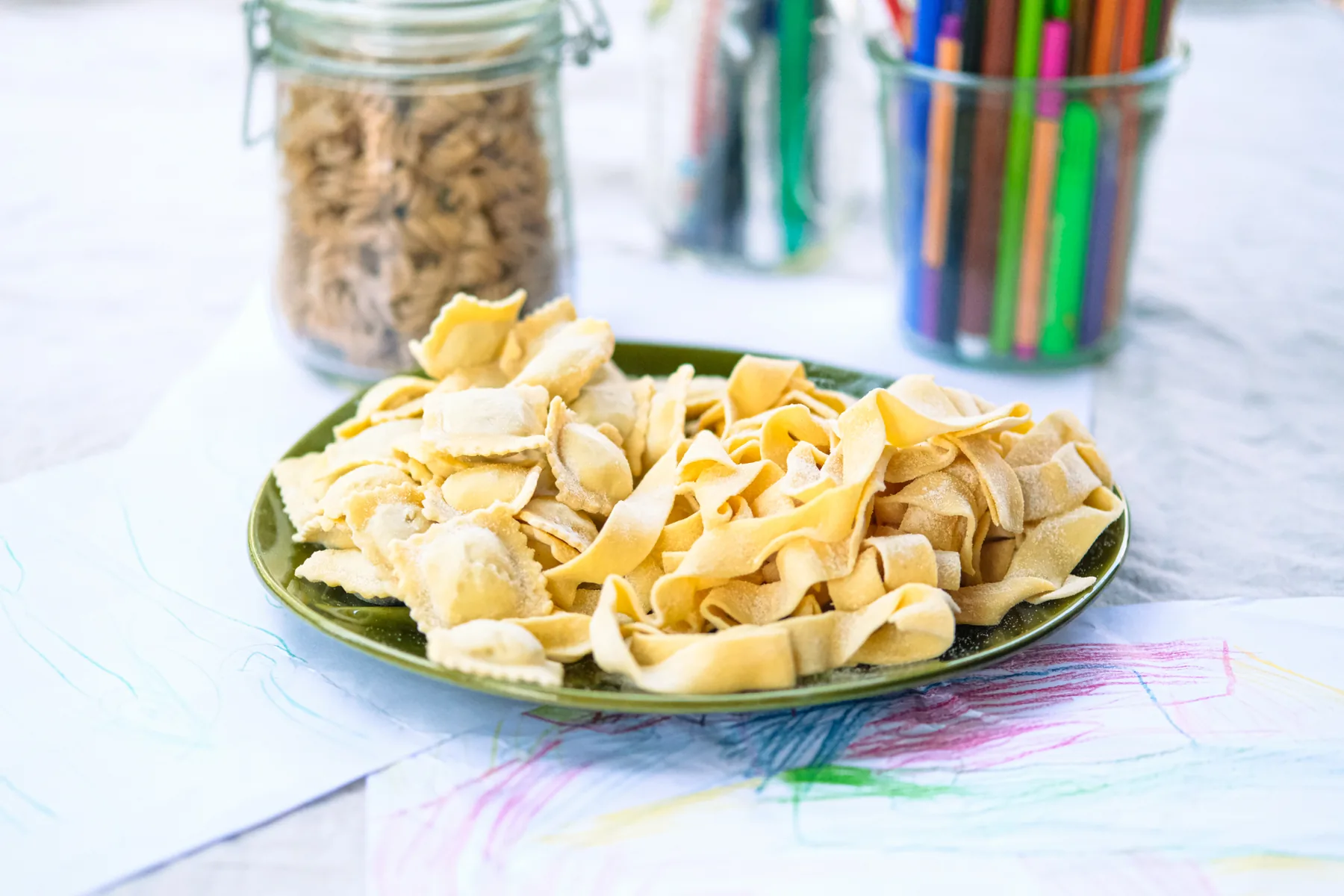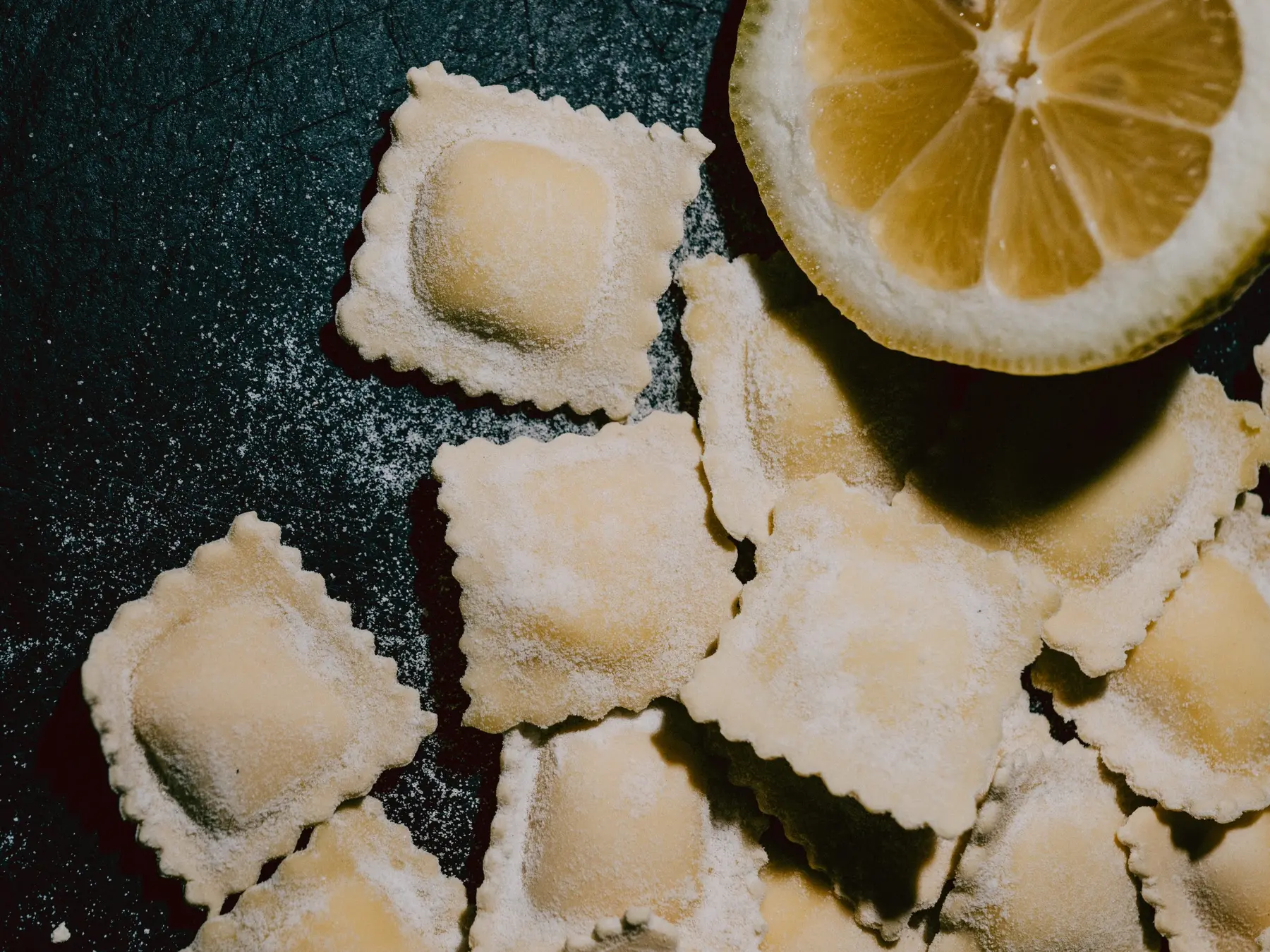
Prepared in our workshop as part of Pasta Piemonte’s fresh production.
Fresh gnocchi · Menton
Artisan fresh gnocchi, made in Menton
Pasta Piemonte gnocchi are made in our Menton workshop in small batches. They complete our fresh pasta range alongside ravioli, filled pasta and fresh egg pasta.
Production remains aligned with the workshop’s real capacity and availability.
Gnocchi belong to the same fresh-pasta universe as our ravioli and egg pasta.
Texture first
Gnocchi designed as a fresh product
Gnocchi belong to a very old family of Italian preparations. At Pasta Piemonte, we approach them as fresh pasta: a preparation made to be cooked simply, preserving its texture and structure.
The history remains useful cultural context, but this page focuses first on the product we make today in our Menton workshop.
A clear product page
Fresh gnocchi, place of production, availability and links to the wider fresh-pasta range: practical information comes first.
Our fresh range
Ravioli, filled pasta, egg pasta and gnocchi
This page focuses exclusively on gnocchi, while the Fresh Pasta page presents the complete artisan fresh range.
Pasta Piemonte
A product connected to our artisan craftsmanship
Frequently asked questions
Pasta Piemonte fresh gnocchi
Where are Pasta Piemonte gnocchi made?
They are made in our Menton workshop in small batches, according to production and availability.
Are Pasta Piemonte gnocchi sold fresh?
Yes. They are part of our fresh range and are offered according to workshop availability.
Are Pasta Piemonte gnocchi organic?
No. Organic claims are reserved for products that are actually certified. Our gnocchi are not presented as organic.
How can I discover the other Pasta Piemonte fresh pasta ranges?
The Fresh Pasta page presents our main families: egg pasta, ravioli, filled pasta and gnocchi.