The veal roast
We cook it ourselves before adding it to the filling. This gives the ravioli the character of real cooking, not simply filled pasta.
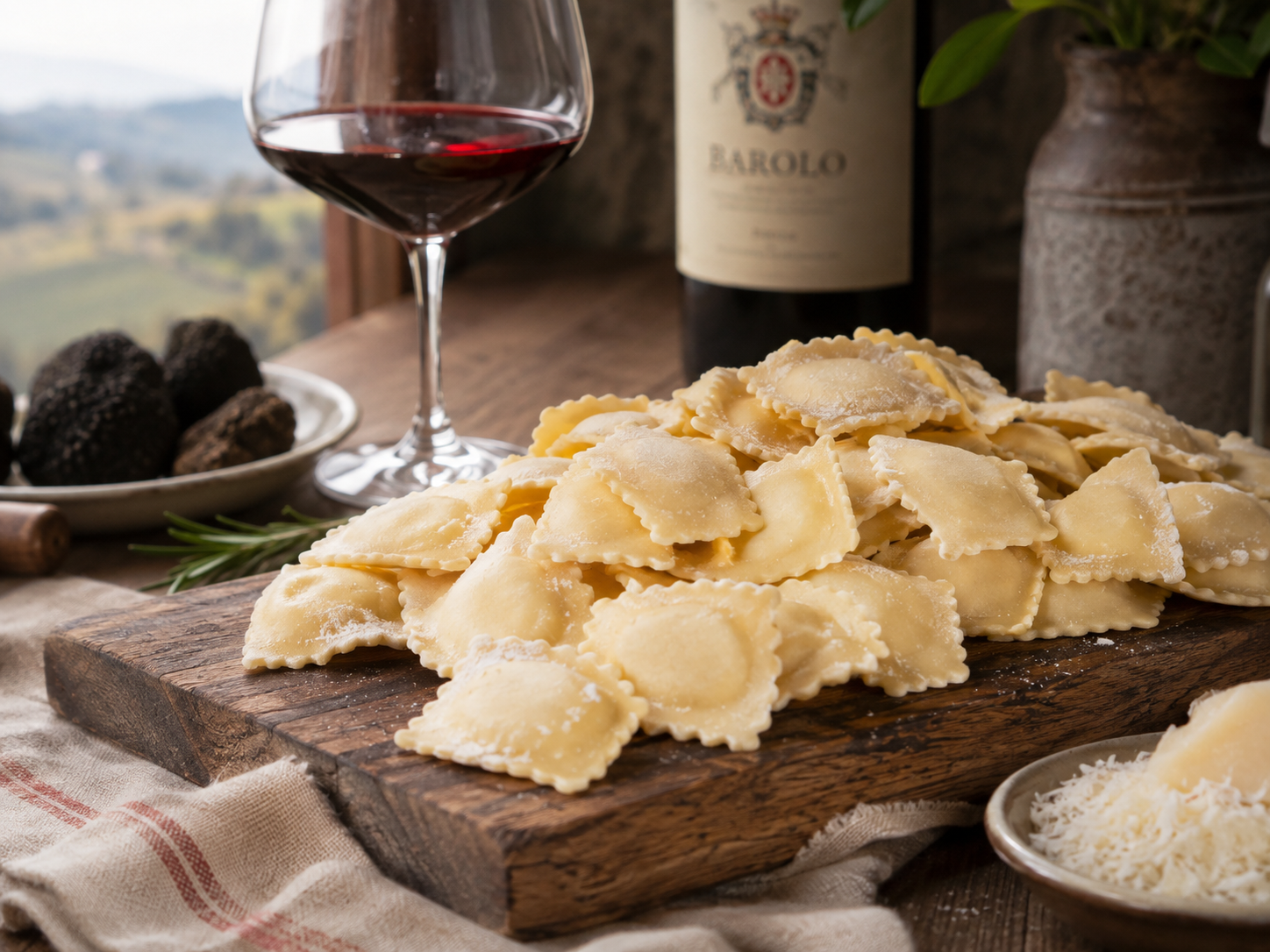
Our Piedmont ravioli begin with a family recipe passed down by Luisa’s grandmother. In Menton, we cook the veal roast ourselves and prepare the filling in our workshop, just as it was done at home.
Here, tradition is not decoration. It begins with a recipe that was genuinely passed down and is genuinely cooked. We prepare the veal roast, then make the filling with cooked ham, mortadella, Grana Padano, eggs and spinach. This is the family continuity we keep alive at Pasta Piemonte today.
We cook it ourselves before adding it to the filling. This gives the ravioli the character of real cooking, not simply filled pasta.
Roast veal, cooked ham, mortadella, Grana Padano, eggs and spinach are combined according to the family recipe.
The pasta is worked in our Menton workshop. Fresh ravioli then need a short cooking time; the instructions on the pack remain the reference.
Piedmont has many filled-pasta traditions. Agnolotti and agnolotti del plin are emblematic examples, with shapes and fillings that vary by area and family.
The word “plin” refers to the small pinch used to seal the pasta around the filling. We mention plin here as part of Piedmont’s food culture: it is not a permanent product line in our Menton boutique.
Cultural source: Piemonte Italia — Agnolotti piemontesi dal plin ↗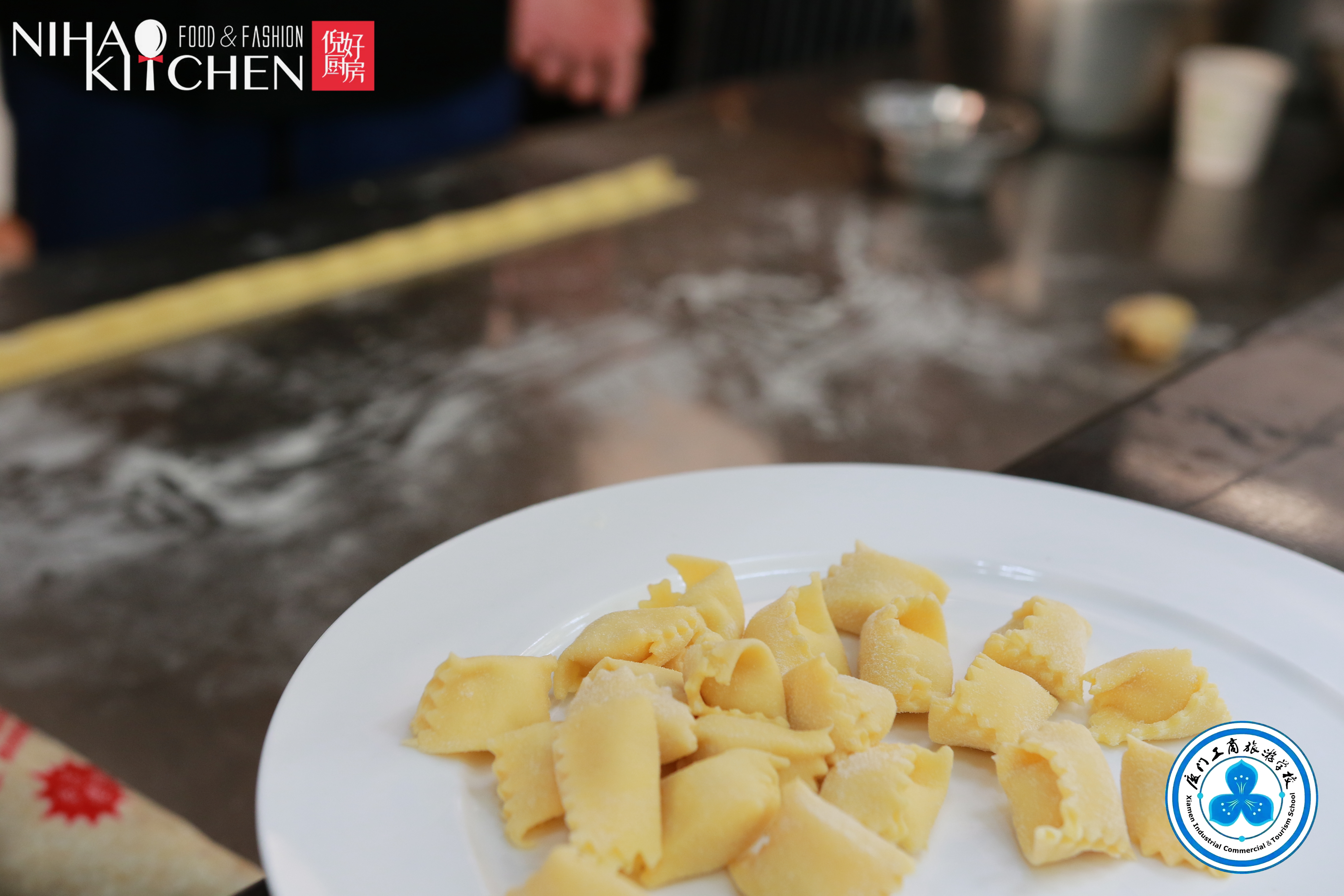
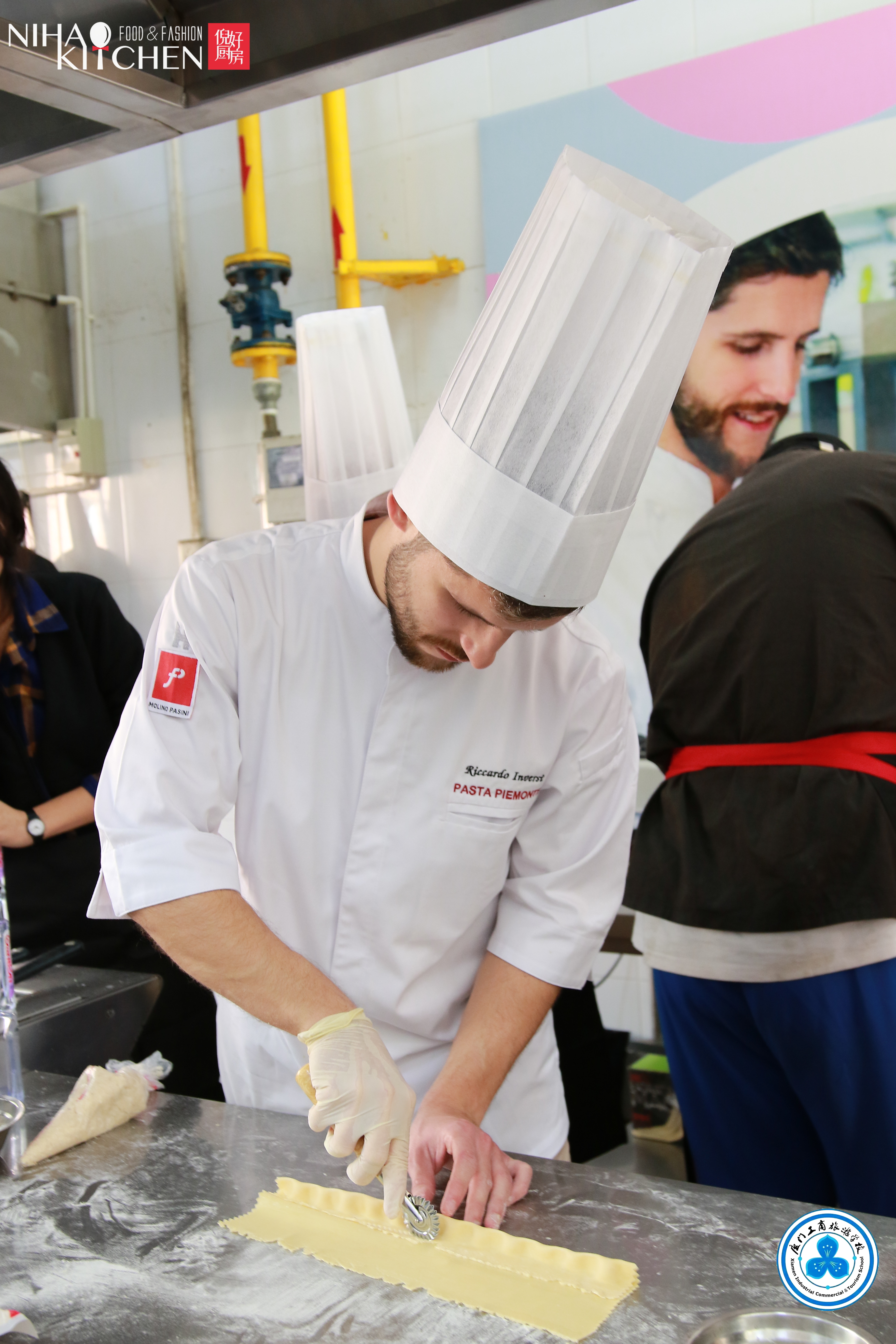
At Pasta Piemonte, this family recipe continues to live in our Menton workshop. The connection with Piedmont is therefore concrete: a way of cooking, preparing the filling and passing on a recipe, not a decorative theme.
Discover our craftsmanship →In Piedmont, traditional filled pasta includes forms known as agnolotti. Pasta Piemonte uses the name “Piedmont ravioli” in France so that our Piedmont family recipe is immediately clear to an international and French-speaking audience.
Agnolotti del plin are a Piedmont specialty named after the “plin”, the small pinch used to seal the pasta around the filling. Shapes and fillings vary by area and family.
We chose the French name “Raviolis piémontais” to avoid ambiguity for French-speaking customers: when heard aloud, “agnolotti” can evoke the French word “agneau”, meaning lamb, and incorrectly suggest that lamb is part of the filling. The chosen name makes the Piedmont filled-pasta tradition immediately clear.
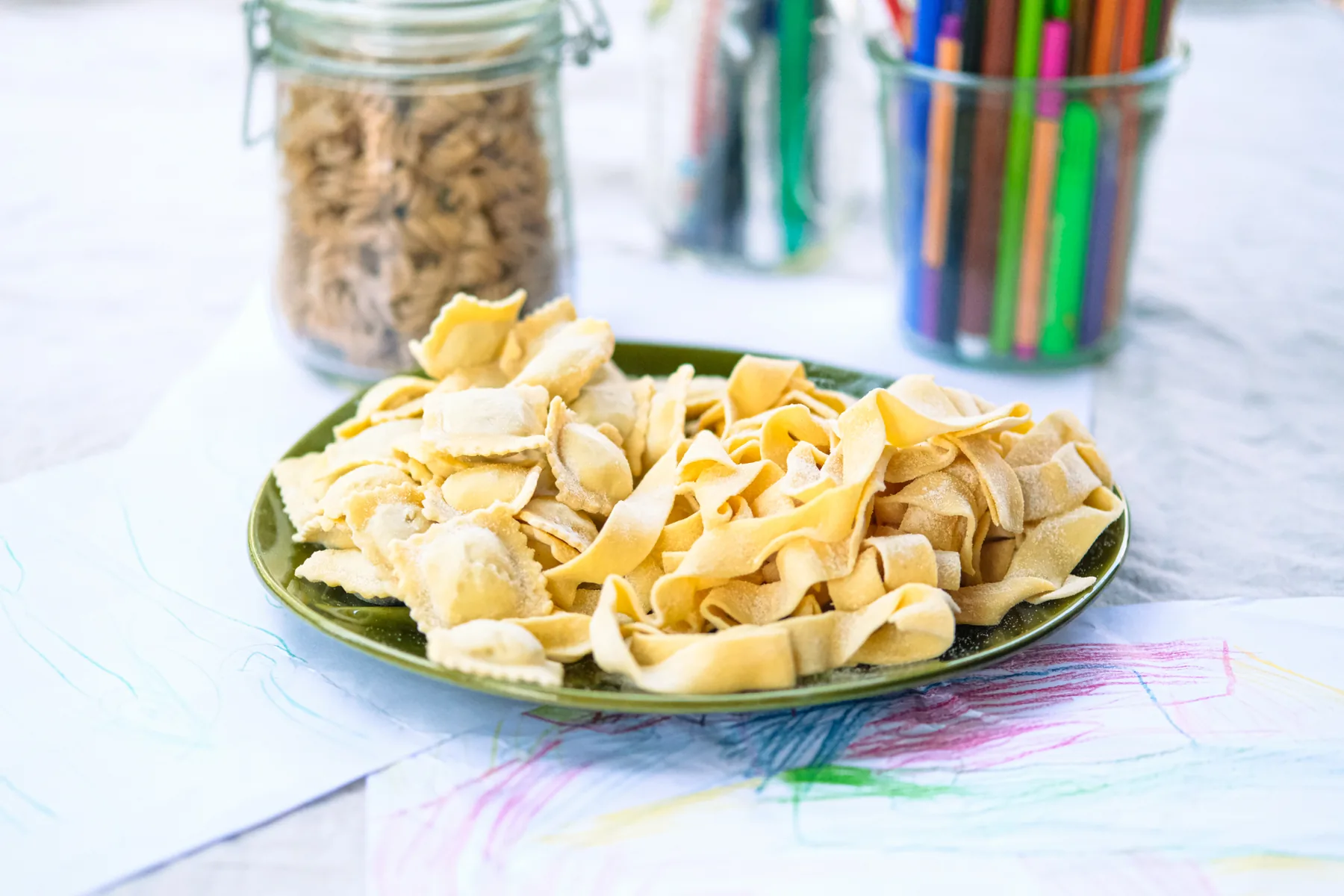
Fresh ravioli need only a short cooking time in gently boiling water. The instructions on the packaging are always the reference for the product purchased.
Piedmont tradition often pairs them with roast jus or butter and sage. They can also be served very simply so that the filling remains the focus.
No. Our artisan Piedmont ravioli are not certified organic. Organic certification applies to some of our fresh and dried long pasta, not to our ravioli.
We thought that a contemporary and accessible tool such as artificial intelligence could help bring together, in one place, recipes, techniques, products, words and traditions from Piedmontese cuisine. GPT Cucina Piemontese grew from that idea: an easier way to explore this heritage in English, French and Italian.